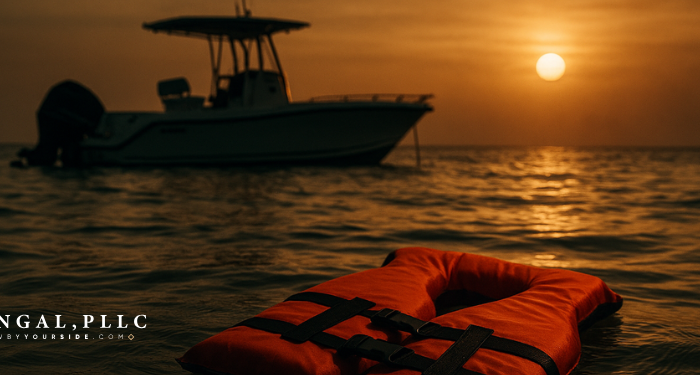
Boating is supposed to be the easy kind of fun. A warm Florida afternoon, friends or family onboard, and nothing to do but enjoy the water. Then something goes wrong fast. A sudden wake. A sharp turn. A moment of distraction. Someone goes overboard or a boat slams into a fixed object.
After a fatal boating accident, families often ask the same painful question: what is the primary cause of boating fatalities? They also want to know whether the death could have been prevented and whether anyone can be held legally responsible.
The short, data-backed answer is this: drowning is the leading cause of death in boating accidents, and a large percentage of drowning victims are not wearing a life jacket. Nationally, the U.S. Coast Guard reports that drowning accounted for about three-quarters of deaths, and 87% of drowning victims were not wearing life jackets. Florida’s own statewide reporting echoes the same story: in 2024, the Florida Fish and Wildlife Conservation Commission (FWC) lists drowning as the leading cause of death in fatal boating accidents.
Below is a clear breakdown of what the numbers really mean, why drownings happen so often, and what to do after a serious or fatal boating accident in Florida.
What is the primary cause of boating fatalities?
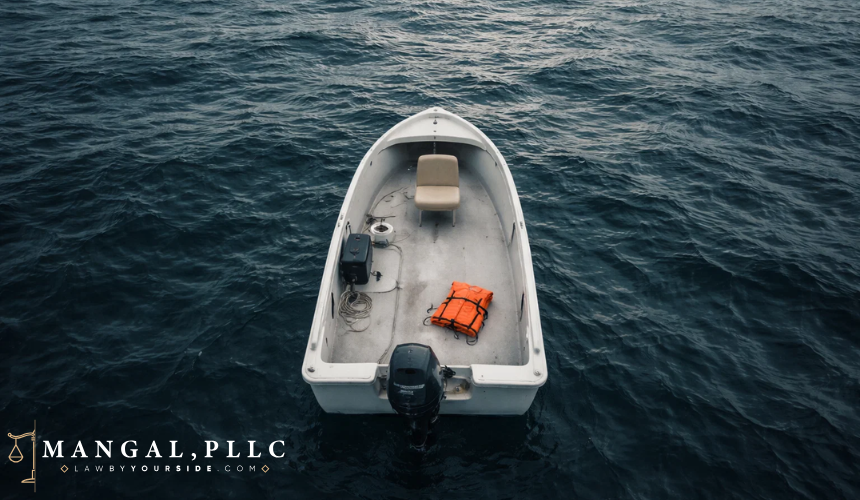
Drowning is the primary cause of boating fatalities. The Coast Guard’s 2024 national statistics show drowning made up three-quarters of boating deaths, and most drowning victims were not wearing a life jacket.
In Florida, FWC’s 2024 Boating Accident Statistical Report identifies drowning as the leading cause of death, with 37 drowning fatalities reported in fatal boating accidents that year.
That is the “what.” The more important question for prevention (and often for legal responsibility) is the “how.”
Why drowning is so common in fatal boating accidents

Most people picture drowning as something that happens only in deep water or during storms. In real boating cases, drowning often follows everyday moments:
Falls overboard
People fall overboard during sharp turns, sudden wakes, boarding, anchoring, or while moving around the vessel. Florida’s FWC report notes that many 2024 deaths were due to victims falling overboard and drowning, and it specifically highlights that many fatalities could have been prevented with life jacket use.
Collision and ejection
A collision can throw passengers into the water, especially when speed is involved or riders are not seated securely.
Incapacitation, shock, or injury
A person can enter the water already injured or disoriented. Even strong swimmers can drown if they are stunned, exhausted, or panicked.
No life jacket
This is the factor that shows up again and again. Nationally, the Coast Guard reports that 87% of drowning victims were not wearing life jackets.
The second biggest pattern behind fatal boating accidents: alcohol and impairment
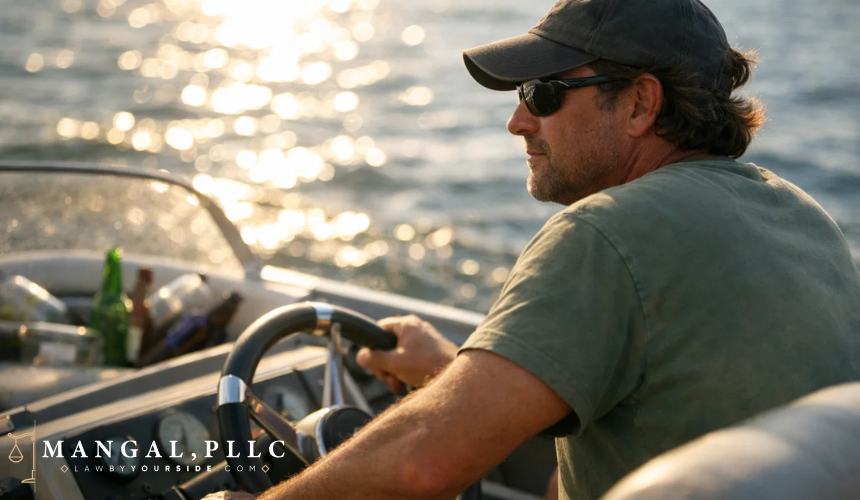
If drowning is the leading cause of death, alcohol is one of the most consistent contributors to how tragedies start.
The U.S. Coast Guard reports that alcohol was the leading known contributing factor in fatal boating accidents in 2024, accounting for 92 deaths (about 20% of total fatalities). Florida’s 2024 report similarly notes alcohol or drug use played a role in 36% of boating fatalities.
Impairment on the water is not “safer than driving.” Sun exposure, dehydration, and motion can make alcohol hit harder. And under Florida law, boating under the influence is a criminal offense with escalating penalties.
The “Fatal Five” causes behind boating accidents (what leads to the tragedy)
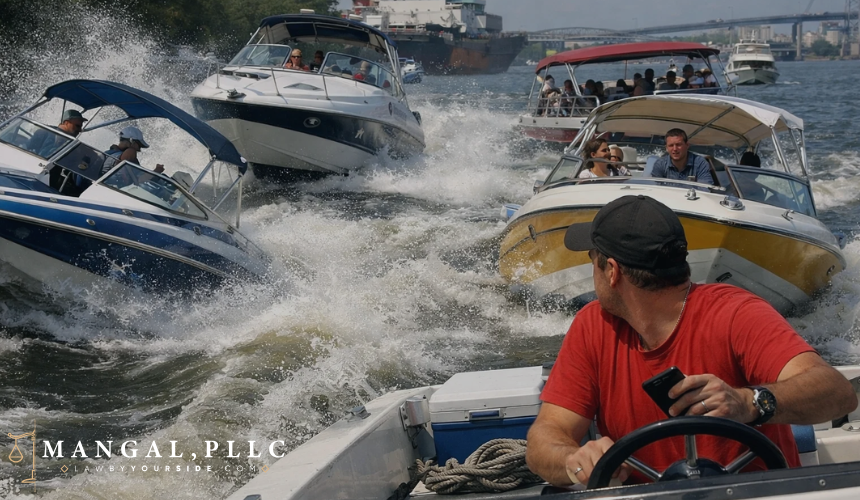
To understand what causes fatal accidents, it helps to separate cause of death (often drowning) from primary contributing factors (what caused the accident).
The Coast Guard identifies these as the top five primary contributing factors in accidents:
- Operator inattention
- Improper lookout
- Operator inexperience
- Machinery failure
- Navigation rules violations
Notice the theme: most of these are preventable. They also show up constantly in boat accident claims, because they tie directly into negligence.
What types of boating accidents are most likely to be fatal?
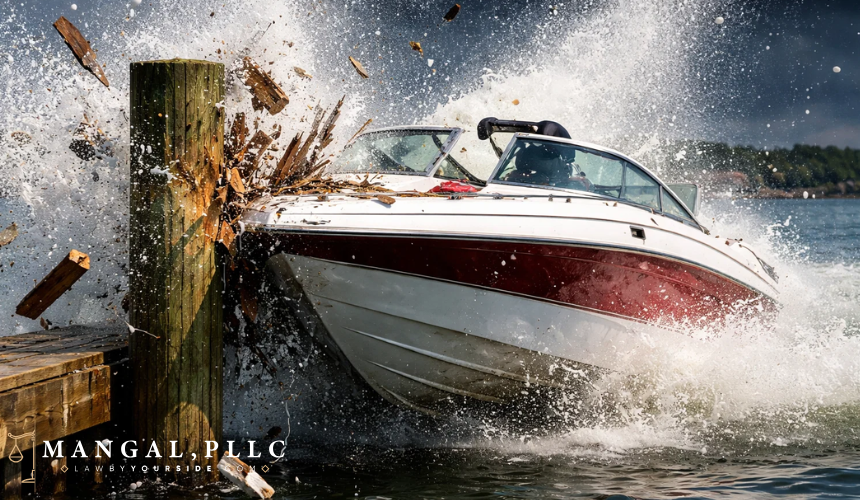
As per our experience, fatal accidents commonly involved collision with a fixed object and boaters falling overboard.
Put simply: many deadly boating incidents are not freak storms. They are everyday operational failures, often with speed, alcohol, distraction, or poor judgment in the background.
How to reduce boating fatality risk right now
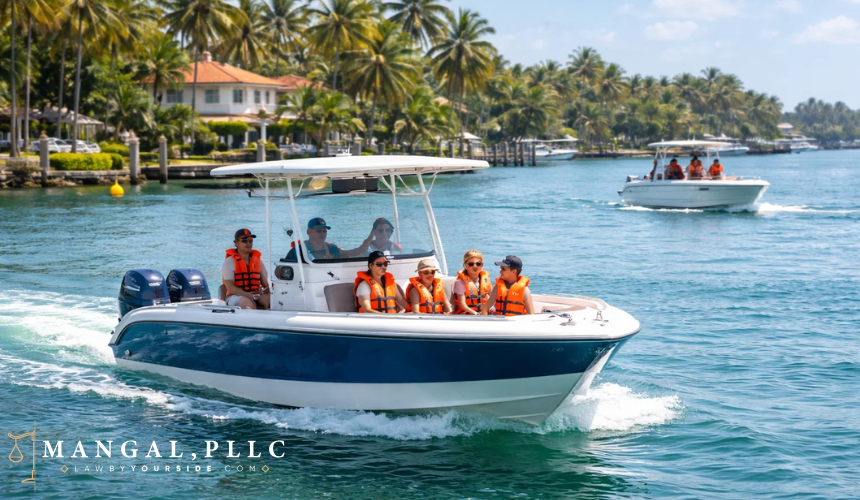
If you remember only a few things, make them these:
- Wear a life jacket, especially on smaller boats, at night, in rough water, or when boating alone. National data shows most drowning victims were not wearing one.
- Boat sober. Alcohol remains the leading known contributor in fatal accidents nationally.
- Take a boating safety course. The Coast Guard reports roughly 70% of deaths occurred on vessels where the operator had not received boating safety instructions.
- Slow down near traffic, docks, and fixed objects.
- Assign roles onboard. One person operates, one person watches.
These are safety steps, but they also matter legally. When an operator ignores basic safety, it can become strong evidence of negligence.
When should you call a boat accident attorney after a serious or fatal accident?
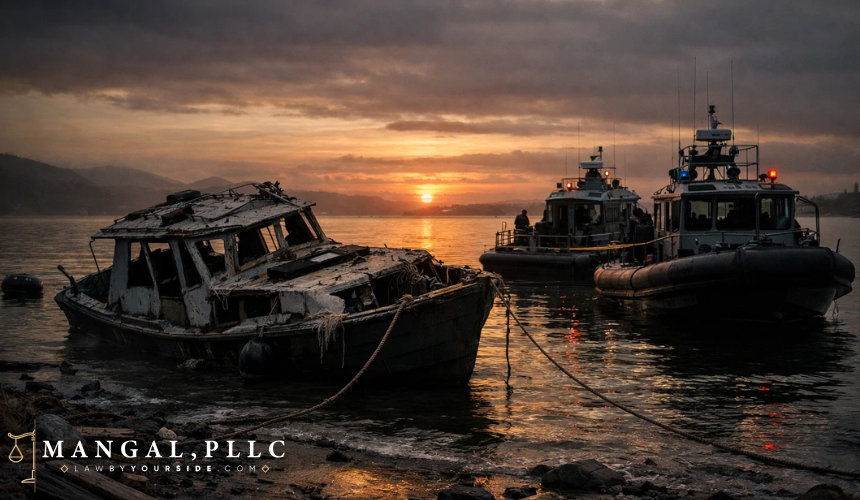
If there is a death, a life-altering injury, or even a serious overboard incident, you should not try to “wait and see” what the insurance company does. Boating cases can involve multiple policies, rental or charter companies, alcohol investigations, and competing stories from witnesses.
A boat accident attorney can help you quickly:
- Preserve evidence (photos, GPS data, damage patterns, maintenance records)
- Identify all responsible parties (operator, owner, rental company, manufacturer)
- Handle insurer communications so you are not boxed into a harmful statement
- Build the full damages claim, including future financial losses for the family
If your case involves injuries rather than death, a personal injury lawyer can also coordinate medical documentation and push back against insurers who downplay how serious the harm is.
What compensation may be available after a fatal boating accident in Florida?

Every case depends on the facts, but families may be able to pursue damages related to:
- Medical expenses before death
- Funeral and burial costs
- Lost financial support and services
- Loss of companionship and guidance (where allowed)
- Pain and suffering (depending on the claim type and survivors)
A boat accident attorney can explain what applies to your situation and which party’s insurance should be paying.
Frequently Asked Questions (FAQs)
What is the primary cause of boating fatalities?
Drowning is the leading cause of boating deaths. Nationally, drowning accounts for about three-quarters of fatalities, and most drowning victims were not wearing a life jacket.
What is the main cause of boating accidents leading to death in Florida?
Florida’s 2024 statewide report lists drowning as the leading cause of death, and it links many deaths to falls overboard and lack of life jacket use.
Do I need a personal injury lawyer if the accident happened on a boat?
If you were injured, a personal injury lawyer can help you pursue damages, prove negligence, and deal with insurers. If the accident was fatal or catastrophic, a boat accident attorney can help coordinate the deeper investigation and identify every liable party.
Take the Next Step After a Boating Accident on Florida Waters
If your family is dealing with a tragic boating loss or a serious injury on Florida waters, you deserve answers you can trust, not insurance pressure and vague explanations. At MANGAL, PLLC, we take a hands-on approach from the beginning, focusing on evidence, accountability, and the full impact the accident has had on your life. Schedule a free case evaluation online to understand your options, identify who may be responsible, and take the next step with a legal team that stands by your side.